The useful answer is rarely “buy the biggest number.” This guide turns the specification sheet into an installation decision you can defend after dark, after handover and when footage is actually needed.
Remove infrared reflection
Night images fail for predictable reasons. A bright wall, soffit or spider web close to the lens can reflect infrared back into the sensor and force the rest of the scene into darkness. Re-aiming the camera or moving it away from reflective surfaces often produces a larger improvement than changing the model.
Control shutter speed and lighting
Slow shutter speeds make still frames look bright but turn moving faces into blur. If identification matters, constrain the shutter and add light rather than allowing aggressive exposure. White supplemental light preserves colour evidence; infrared is discreet but changes the appearance of clothing and vehicle paint.
Test moving subjects after dark
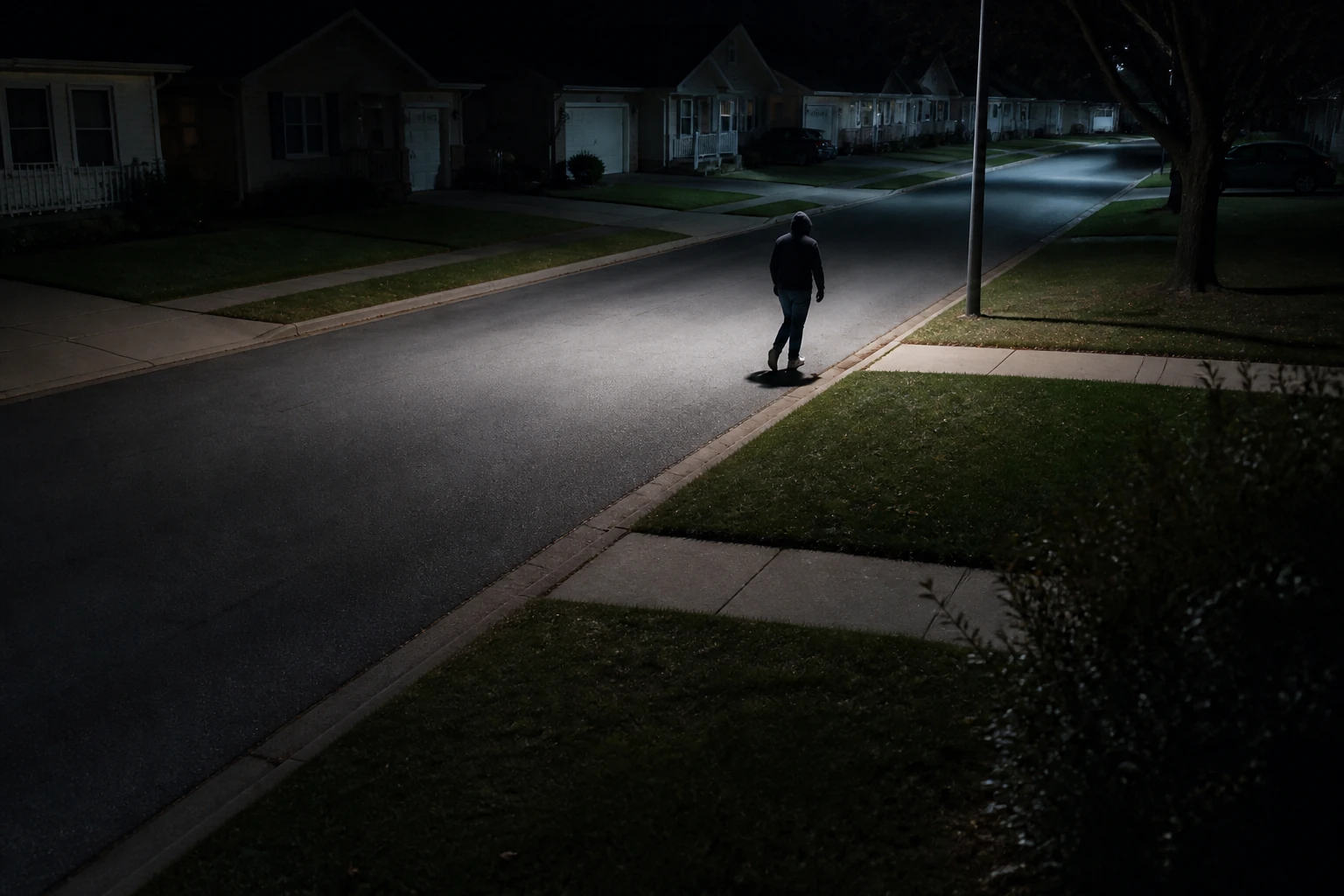
Evaluate night performance with a person walking through the exact capture zone. Pause the recording and inspect the moving subject, not a static scene. Check rain and headlight conditions too, then lock the final settings so an automatic profile cannot quietly undo the test.
Commission the system against a written evidence goal. Save reference images and settings so future maintenance can spot gradual changes.
Can another person prove the system still works?
Record the final view, night image, bitrate, alerts, firmware and access method. A system is not finished until the owner can verify recording and export without the installer standing beside it.
Every site is different. Confirm manufacturer instructions, electrical requirements, privacy obligations and local regulations before installation.
Frequently asked questions
Why is my CCTV image white at night?
Nearby walls, soffits, dirt, rain or spider webs can reflect infrared into the lens and overexpose part of the image.
Why are faces blurry on CCTV at night?
The camera is often using a slow shutter to brighten the scene. A faster minimum shutter plus suitable lighting usually preserves movement better.